

Para-raios e descarregador sobretensões são dispositivos de proteção contra raios que possuem funcionalidades diferentes diante do raio .
A Instalação de Proteção contra Raios em Ambientes Fechados consiste em um ou mais sistemas descarregador sobretensões .
Os descarregador sobretensões descarregador sobretensões como interruptores. Eles fecham o circuito quando ocorre uma sobretensão na rede e desviam a corrente para o sistema de aterramento .
O sistema interno de proteção contra raios conduz e dissipa sobretensões e correntes no sistema de aterramento elétrico.
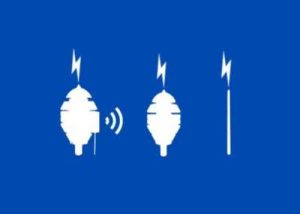
Para-raios:
- O para-raios protege as estruturas contra descargas atmosféricas diretas.
- Um para-raios é um equipamento instalado na parte externa, no ponto mais alto de uma estrutura.
- A função do para-raios é capturar as descargas atmosféricas que provavelmente atingirão diretamente a estrutura que ele protege.

Sistema de proteção contra raios para áreas externas:
- A instalação externa de proteção contra raios consiste em um sensor chamado para-raios, pelo menos um condutor e um sistema de aterramento para cada condutor.
- Os pontos de aterramento devem ser conectados entre si, assim como todas as massas metálicas próximas.
- O Sistema de Proteção contra Raios para Ambientes Externos captura, conduz e direciona a corrente elétrica dos raios para o solo.
Descarregador Sobretensões :
- O descarregador sobretensões protege contra os efeitos indiretos das descargas atmosféricas.
- O descarregador sobretensões é o equipamento instalado dentro de uma estrutura nas redes que transportam eletricidade (energia, comunicações, dados…).
- O objetivo do descarregador sobretensões é prevenir sobretensões na rede que ele protege.
Sistema de proteção contra raios em ambientes internos:
- A Instalação de Proteção contra Raios em Ambientes Fechados consiste em um ou mais sistemas descarregador sobretensões .
- Os descarregador sobretensões descarregador sobretensões como interruptores. Eles fecham o circuito quando ocorre uma sobretensão na rede e desviam a corrente para o sistema de aterramento .
- O sistema interno de proteção contra raios conduz e dissipa sobretensões e correntes no sistema de aterramento elétrico.