Compliance with NFC 17-102:2011 and IEC 62305 standards and equivalent country standards
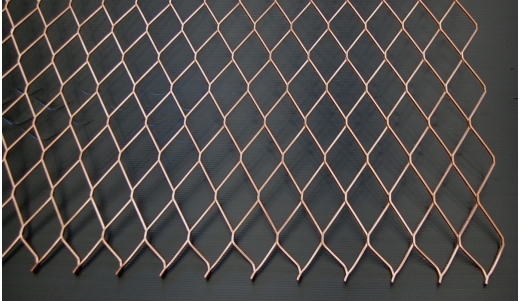
Accessory for grounding systems. The strips have a 3×3 mm cross-section, with dimensions of 1000×1000 mm (L×W), and weigh 4.5 kg. The grid is designed to improve grounding in lightning protection systems.
A copper grid is preferred under the following conditions, compared to a lightning rod grounding system with ground rods: – Low Conductivity Soil: In areas where the soil is poor in natural conductors, such as rocky or sandy soils, a copper grid can provide better current dispersion. – Ease of Implementation: In rocky or very hard soils, if driving ground rods is difficult or even impossible, a grounding grid solution is often preferred. – Large Area Requirements: A grid covers a larger area, which is beneficial for larger structures or areas requiring wider current dispersion. – Grounding Upgrade: A grounding system can sometimes be easier to upgrade and maintain in compliance with regulations by adding a grounding grid. – Specific Regulations: Some standards or regulations may require the use of a copper grid for safety or compliance reasons. Each situation must be assessed individually to determine the most appropriate lightning rod grounding solution.