

Compliant with EN 62561-1, NFC 17-102:2011 and IEC 62305 standards.
In lightning protection systems, the control joint or disconnect terminal plays a crucial role. It is generally placed above the protective conduit, at a height of approximately 2.10 m. It can also be installed in an inspection chamber. It thus joins two sections of the same conductor.
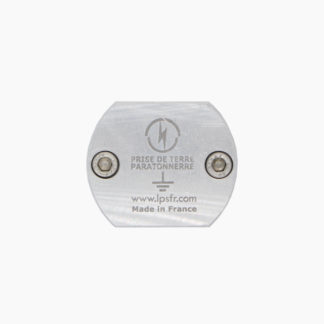
Indeed, the control joint connects the upper part (down conductor) and the lower part (grounding). Our specific product, reference number 43604, is designed to optimize the safety and efficiency of these systems.
Functionality and Application:
The main purpose of this cut-off and test terminal is to disconnect the grounding conductor from the lightning rod's earthing system. In fact, this disconnection capacity is essential for measuring the ohmic resistivity of the earthing system. In other words, it makes it possible to control the effectiveness of the earthing system by measuring its ability to conduct electric current into the ground.
Made of aluminum, the LPS France control joint is lightweight yet robust. It comes with M5 stainless steel screws for easy and secure mounting. With a diameter of 50 mm and a thickness of 20 mm, it weighs only 0.054 kg, making it easy to handle and install.
This product strictly complies with EN 62561-1, NFC 17-102:2011 and IEC 62305 standards, ensuring its quality and reliability in lightning protection installations. This guarantees that the control joint actually allows the measurement of the grounding conductor earthing system resistance. But also that it ensures perfect electrical continuity between the two parts of the lightning descents.
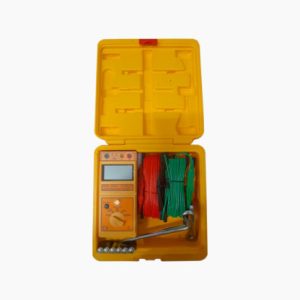
LPS France test joint is a fundamental component for ensuring accurate ohmic measurement of the grounding system. Therefore, it plays a key role in preventing lightning-related risks. The measurement is performed using a ground resistance tester available in our catalog.
Learn more: The role of lightning protection systems in industry
Learn more: Types of lightning rods: a complete guide to choosing your lightning protection
Learn more: Legal Obligations Lightning: Safety and Risks 2026