
Therefore, it is impossible to ignore the consequences of a lightning strike on a site housing sensitive equipment and complex installations. Indeed, with specific obligations stemming from ICPE regulations, every engineer or architect must integrate Lightning Risk Analysis as the foundation of compliance. This guide reveals the key steps to secure your projects, from the initial risk assessment to final validation through testing and documentation, in order to guarantee a compliant installation and optimal safety.
Table of Contents
First, step 1: Analyze the risks associated with lightning on site
First, step 2: Define the requirements according to the applicable standards
Specifically, step 3: Select and install the appropriate equipment
Indeed, step 4: Check the implementation and quality of the installation
First, step 5: Validate conformity through testing and documentation
Quick summary
| Key point | Explanation |
| 1. Essential risk analysis | Assess the dangers associated with lightning to ensure the electrical safety of your installation. |
| 2. Comply with technical standards | Identify the applicable standards to ensure adequate protection against lightning. |
| 3. Choose suitable equipment | Select compliant protection systems to maximize installation safety. |
| 4. Regular inspection of the installation | Inspect periodically to verify the integrity and conformity of protective equipment. |
| 5. Rigorous documentation and validation | Gather the necessary documents and conduct tests to ensure compliance and safety. |
Step 1: Analyze the risks associated with lightning on site
Lightning risk analysis is a crucial step in ensuring the electrical safety of an installation. Furthermore, this methodological approach allows for the precise identification of potential hazards and the definition of appropriate protective measures. In a detailed lightning risk analysis, several essential parameters must be evaluated.
Furthermore, to carry out a comprehensive analysis, you must take into account several fundamental criteria:
The geographical location of the site
The structural characteristics of the building
The nature of the equipment present
Thehistory of lightning strikes in the region
Specific environmental data
First, each element contributes to determining the level of risk and the necessary protections. Finally, facilities classified as ICPE (Installations Classified for Environmental Protection) have specific regulatory obligations that require a precise and documented analysis.
First, to conduct this analysis effectively, it is recommended to work with a lightning protection expert who can methodically assess all the technical and regulatory parameters. Ultimately, a systematic approach will allow for the precise mapping of vulnerable areas and the proposal of appropriate protection solutions.
Here is a summary of the factors influencing the level of lightning risk:
| Criteria analyzed | Impact on risk | Example of increased risk |
| Geographic location | Lightning frequency | Severe storm zone |
| Structural characteristics | Building vulnerability | Unattached metal roof |
| Nature of the equipment | Sensitivity to power surges | Information technology or automation |
| History of impacts | Past incidents | Building already struck by lightning |
| Environmental data | Risk modulation | Proximity to trees or water |
First, the main objective of risk analysis is to prevent any potential harm to people, equipment and the environment.
Pro tip: Remember to renew your risk analysis with each significant change to your site to maintain an optimal level of protection.
Step 2: Define the requirements according to the applicable standards
Furthermore, defining the regulatory requirements is a strategic step in implementing a lightning protection system. You will need to precisely identify the applicable technical standards and understand their practical implications for your installation.
Indeed, the main standards to consider include:
NF C 17-102 relating to the protection of structures
NF EN 62305 (series of European protection standards)
Specific regulations for Classified Installations (ICPE)
National and international electrical safety standards
Insurance recommendations related to protection systems
Note that each standard provides specific technical requirements regarding:
Capture devices
Grounding systems
Surge protection
Safety distances to be respected
Periodic verification methods
The main objective is to guarantee complete and standardized protection against electrical risks related to lightning.
Pro tip: Always consult a standardization expert to correctly interpret the complex technical requirements of the various regulations.
Step 3: Select and install the appropriate equipment
Remember that installing lightning protection equipment requires a methodical and precise approach. You will need to select specific components that will guarantee maximum safety for your electrical installation, based on your specific needs.
The main equipment to consider includes:
Surge protectors for different levels of protection
High-performance grounding systems
Suitable downhill drivers
capture devices (lightning rods)
Monitoring and alert
For example, for an effective installation, it is crucial to choose surge protectors that comply with the standards according to their classification:
Furthermore, here is a comparison of the main types of surge protectors and their recommended uses:
| Type of surge protector | Recommended use | Level of protection offered |
| Type 1 | Protection against direct impact | Very high, for lightning protection |
| Type 2 | Main electrical panels | Standard building protection |
| Type 3 | Sensitive electronic devices | Thin protection, localized use |
Type 1 surge arresters to protect against direct impacts
Type 2 surge arresters intended for main electrical panels
Type 3 surge protectors protecting sensitive electronic equipment
The quality of the installation directly determines the effectiveness of lightning protection.
Pro tip: Always use a certified professional to install and wire protective equipment.
Step 4: Check the implementation and quality of the installation
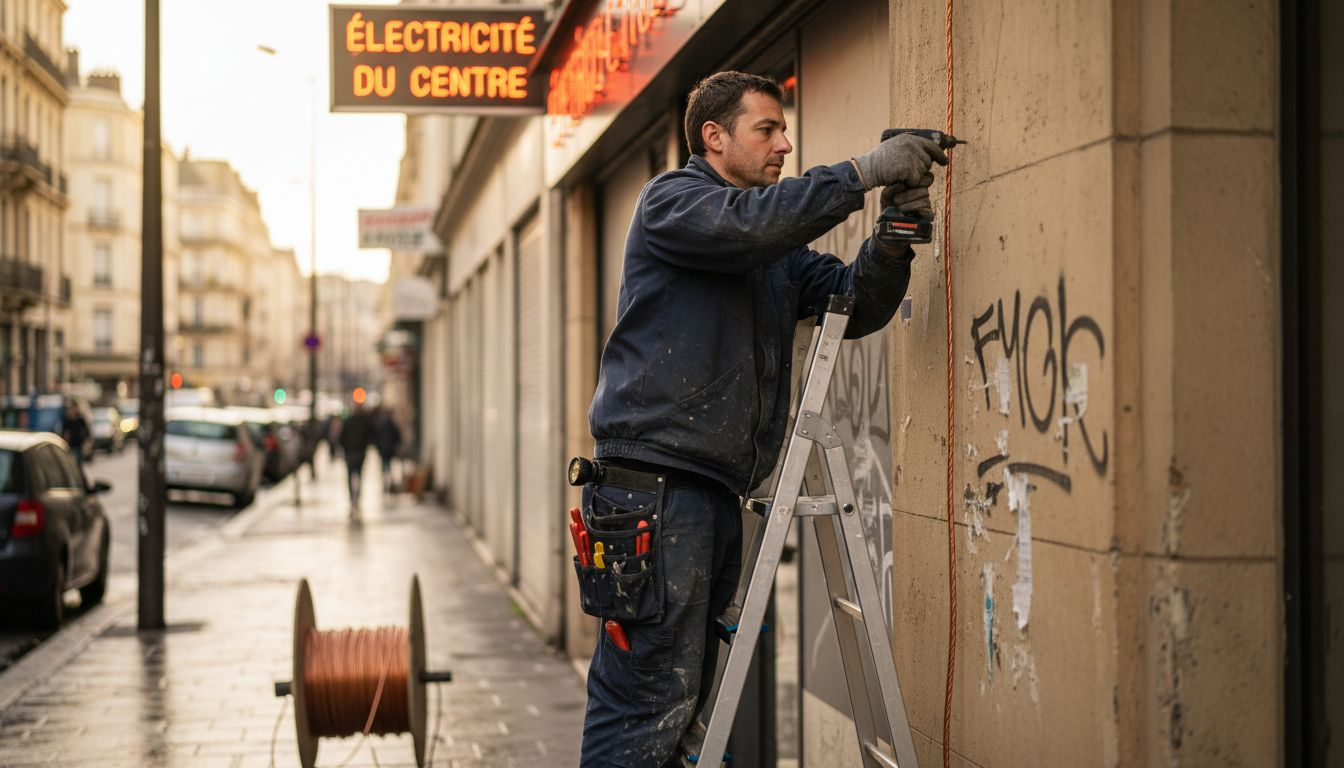
Furthermore, precise control of your lightning protection system is a crucial step to ensure its reliability and regulatory compliance. You will need to implement a methodical approach to inspecting and verifying all components.
Note that the main points to check during the inspection include:
The physical integrity of the equipment
Electrical continuity of conductors
The resistance of grounding systems
The state of the connections and junctions
Compliance with technical documents
Note that for a complete and effective inspection, refer to the recommended lightning checks which include:
An annual visual visit
A comprehensive biannual inspection
Verification of technical documents
Analysis of previous reports
Testing of protective
The quality and regularity of the checks determine the reliability of the lightning protection system.
Pro tip: Keep a detailed history of all checks and maintain an accurate record of interventions and observations.
Step 5: Validate conformity through testing and documentation
For example, the final validation of your lightning protection system is a crucial step that will guarantee the safety and regulatory compliance of your installation. You will need to gather and verify a set of technical documents and carry out specific tests to attest to the quality of your device.
In addition, the main documents and tests to be produced include:
Detailed risk analysis report
Complete technical study
Inspection and maintenance
Periodic inspection reports
As-Built Documentation (DOE)
Furthermore, to ensure rigorous validation, refer to the component conformity criteria , which include:
Mechanical resistance tests
Leak tests
Control of the bursters
Electrical withstand tests
Document validation
Complete and accurate documentation is the ultimate guarantee of the compliance of your lightning protection system.
Pro tip: Systematically scan and archive all your validation documents to facilitate future inspections and maintenance.
Ensure the compliance and safety of your installation against lightning with LPS France
It is worth noting that the article emphasizes the crucial importance of rigorous risk analysis and compliant installation to protect your buildings and sensitive equipment from lightning damage. Given the complexity of the procedures, standards such as NF 17-102 and IEC 62305, and the need for continuous quality control, it is essential to rely on expert solutions that guarantee reliability and compliance.
At Lightning Protection Systems France, we leverage our 20+ years of expertise to design, manufacture, and install customized protection systems tailored to each critical stage of the process. Discover our comprehensive range of lightning rods, grounding kits, and monitoring systems for durable protection validated to the strictest regulatory requirements. Leave nothing to chance and secure your installation today by contacting our experts for personalized technical support.
Frequently Asked Questions
What are the main criteria to analyze when assessing the risk of lightning at a site?
Remember that to analyze lightning risk, it is essential to assess the geographical location, the building's structural characteristics, the nature of the equipment present, the history of lightning strikes in the region, and specific environmental data. Examine these criteria to identify vulnerable areas and define the necessary protective measures.
What standards must be met when installing a lightning protection system?
For example, the main standards to comply with include NF C 17-102 for structural protection and IEC 62305 for lightning protection. Identify these requirements to ensure effective compliance of your unusual system.
How to choose the most suitable lightning protection equipment?
Furthermore, to select the appropriate equipment, assess your specific protection needs, such as the types of surge protectors, grounding systems, and surge capture devices. Make this selection with the help of an expert to ensure the safety and efficiency of your installation.
What is the recommended frequency for checks and verifications of lightning protection systems?
Furthermore, it is recommended to perform a visual inspection annually and a full inspection every two years. Schedule these checks to ensure the reliability and compliance of your system over time.
What documents need to be gathered to validate the conformity of a lightning protection installation?
Furthermore, to validate compliance, it is necessary to compile a risk analysis report, a technical study, a verification report, and a record of completed works (DOE). Collect and organize these documents to ensure the compliance of your installation and facilitate future inspections.