
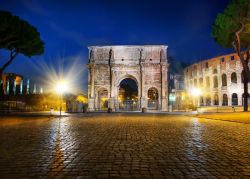
A violent storm in Rome damages the Arch of Constantine
During a violent thunderstorm in Rome, the Arch of Constantine, a historical monument dating back to 315 AD, was struck by lightning, causing fragments of stone to fall. Although the damage was deemed minor, this incident highlights the importance of protecting monuments from lightning.
Importance of lightning protection
A properly installed lightning rod system could have protected the arc by capturing the electrical discharge and redirecting the energy to the ground. This would have prevented structural damage caused by the current passing through the stone.

Preserving historical heritage
Lightning rods are essential devices for preserving historical monuments, especially in the face of increasingly frequent extreme weather conditions. They protect these fragile structures from the destructive effects of lightning by dispersing its energy in a controlled manner and limiting the risks of cracks, erosion, or material loss in ancient stonework.
To ensure optimal protection, regular maintenance of protection systems and post-storm inspections are crucial. This extends the lifespan of monuments and minimizes restoration costs.
Conclusion
This incident underscores the importance of proactive conservation. Adapting conservation measures allows us to cope with increasingly unpredictable and powerful climate events.